Professional Mobile Foot Care in Northampton

Author name: business@tlmstudios.in

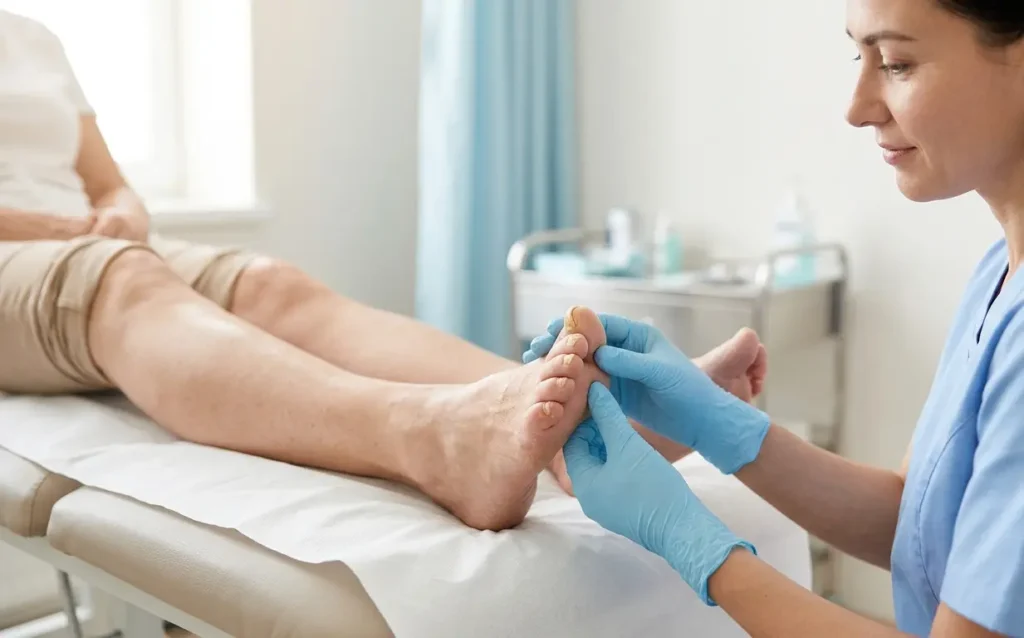
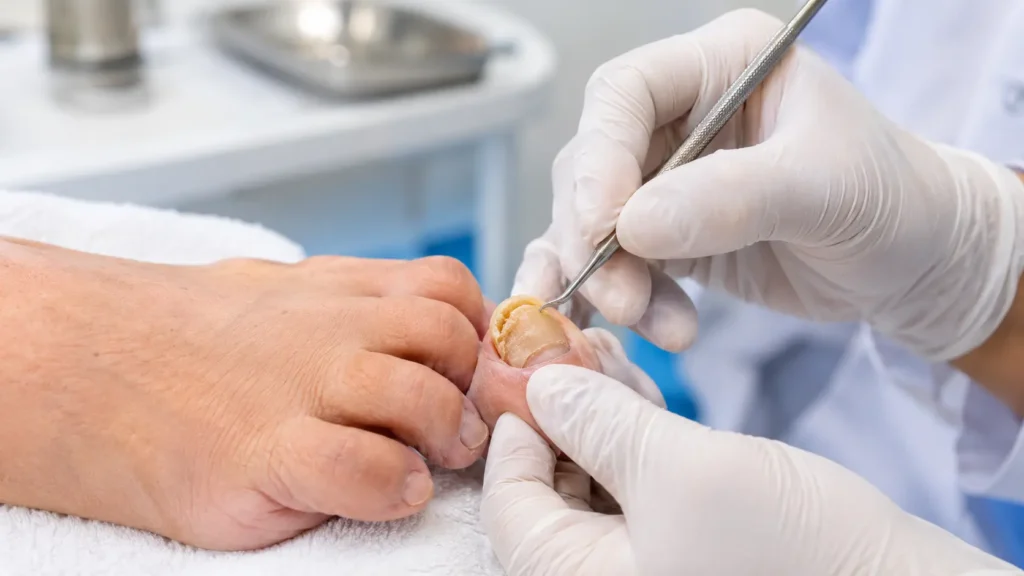
Professional thickened toenail treatment showing a foot specialist carefully treating a thickened toenail using professional podiatry tools.
Uncategorized

 How Is a Thickened Toenail Professionally Reduced?

Thickened toenails can make everyday activities such as walking, wearing shoes, and trimming nails uncomfortable. They may develop due to fungal infections, repeated pressure, ageing, injuries, or underlying nail conditions. While trimming a thickened toenail at home may seem simple, attempting to remove excessive nail thickness without proper care can cause discomfort or injury.  In this blog, Walksmart Foot Care, a trusted provider of thickened toenail treatment, explores how thickened toenails are professionally reduced and explains the importance of proper nail care. Understanding this process can help you make informed decisions about your foot health and maintain comfortable, healthy-looking toenails. How Is a Thickened Toenail Professionally Reduced? Professional thickened toenail reduction involves carefully assessing the affected nail, removing excess thickness, and smoothing its surface using appropriate foot care instruments. The procedure is performed with attention to the condition of the nail and the surrounding skin to minimise the risk of injury.  The exact approach depends on the cause and severity of the thickening. A professional assessment helps determine whether the nail can be safely reduced or whether further medical evaluation is necessary. 1. Initial Nail Assessment The first step is to examine the affected toenail and surrounding skin. The foot care professional checks the nail’s thickness, colour, texture, shape, and overall condition. They may also look for signs such as discolouration, crumbling, separation from the nail bed, inflammation, or tenderness.  This assessment helps identify possible contributing factors, including repeated pressure, trauma, or suspected fungal infection. If the nail shows signs of an underlying medical condition, further evaluation by a qualified healthcare professional may be recommended before proceeding. 2. Cleaning and Preparing the Toenail Before reducing the nail thickness, the affected area is cleaned and prepared. This helps remove surface debris and makes the nail easier to examine and manage. Appropriate hygiene and instrument-cleaning procedures are followed throughout the treatment. Professional foot care instruments are selected according to the nail’s condition to support controlled and careful reduction.  3. Reducing Excess Nail Thickness Once the nail has been prepared, the professional carefully reduces the excessive thickness using suitable specialised instruments. The thickened nail material is gradually thinned in a controlled manner rather than being cut or removed aggressively. The amount of reduction depends on the nail’s condition, thickness, and sensitivity. Care is taken to avoid damaging the underlying nail bed or surrounding skin. This process can make the nail more manageable and may help reduce discomfort caused by pressure from footwear. 4. Smoothing the Nail Surface After reducing the thickness, the nail surface is gently smoothed to remove rough or uneven edges. This helps improve the nail’s overall appearance and makes it easier to maintain. Smoothing also helps prevent sharp or irregular nail edges from catching on socks or rubbing against footwear. Care is taken to avoid excessive filing or unnecessary removal of healthy nail material. 5. Final Inspection Once the reduction and smoothing are complete, the treated toenail and surrounding skin are inspected again. The professional checks for rough edges, remaining areas of excessive thickness, and any signs of irritation or accidental injury. This final inspection helps ensure that the nail has been reduced appropriately without unnecessary damage to the surrounding tissues. 6. Aftercare After professional reduction, appropriate aftercare helps maintain nail and foot hygiene. Depending on the condition of the nail, general recommendations may include: Keeping the feet clean and thoroughly dry, particularly between the toes. Wearing comfortable, well-fitting footwear that does not place excessive pressure on the toenails. Avoiding aggressive cutting, filing, or picking at the affected nail. Following professional advice regarding nail care and any further treatment. Seeking medical assessment if the nail shows signs of infection, persistent pain, or worsening changes. If a fungal infection is suspected or confirmed, nail reduction alone will not eliminate the infection. Appropriate antifungal treatment may also be necessary. Why Choose Professional Thickened Toenail Treatment? Professional thickened toenail treatment offers a controlled approach to managing excessive nail thickness. Unlike attempting to cut or file a thickened nail at home, professional reduction involves assessing the nail’s condition and using suitable instruments to manage it carefully. Some important benefits include: Careful nail reduction: Excess thickness is gradually reduced using appropriate professional instruments. Improved comfort: Reducing excessive nail thickness may help minimise pressure from footwear and make walking more comfortable. Better nail maintenance: Smoothing rough and uneven nail surfaces makes routine nail care easier. Reduced risk of accidental injury: Professional handling helps minimise the risk of cutting too deeply or damaging the surrounding skin. Individual assessment: The approach is selected according to the nail’s thickness, appearance, and overall condition. Professional reduction can improve nail manageability and comfort. However, it does not necessarily treat the underlying cause of thickening. Identifying and managing the cause is important for long-term nail health. What Causes Toenails to Become Thick? Toenails can become thick for several reasons. Understanding the underlying cause is important because the appropriate treatment depends on what is contributing to the nail changes. Some common causes include: Fungal nail infections: Fungal nail infections, also known as onychomycosis, can cause toenails to become thick, discoloured, brittle, and crumbly. The nail may also separate from the nail bed as the infection progresses.  Ageing: Toenails may naturally become thicker, harder, and more difficult to trim with age due to changes in nail growth and structure. Repeated pressure or friction: Wearing tight footwear or shoes that repeatedly press against the toenails can contribute to thickening and changes in nail appearance. Nail injuries: Previous injuries, repeated impact, or trauma to the nail can affect its normal growth and result in a thicker or irregular nail. Underlying medical conditions: Certain skin and nail conditions, including psoriasis, can affect nail growth and cause thickening, discolouration, or changes in nail texture. Other health-related factors: Certain underlying health conditions can affect nail health and healing, making changes in the toenails more noticeable.  Since different conditions can produce similar nail changes, a proper assessment is important before deciding on the appropriate treatment. When Should You Seek
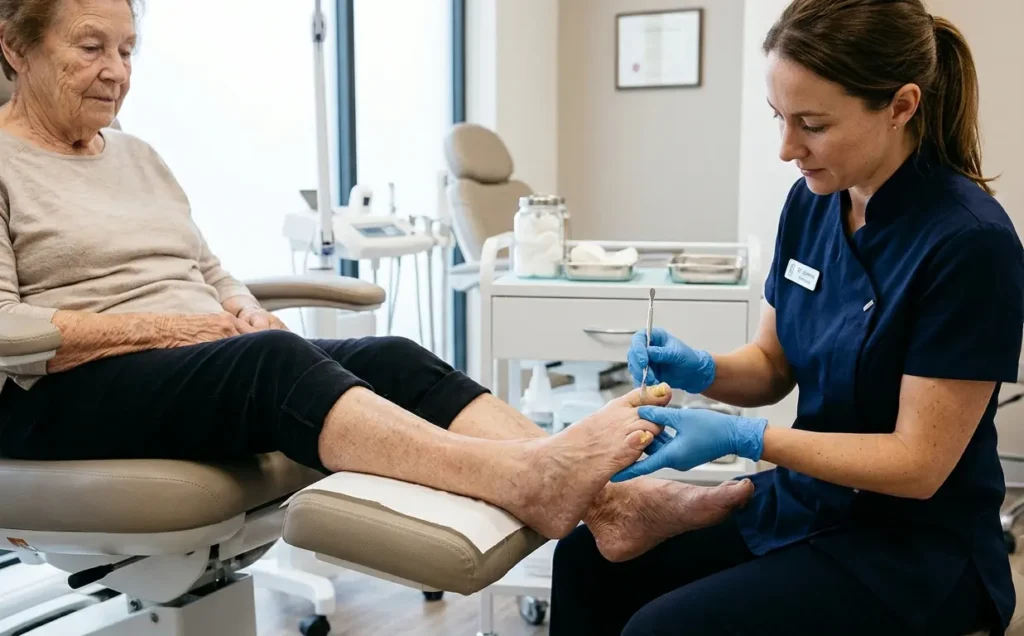
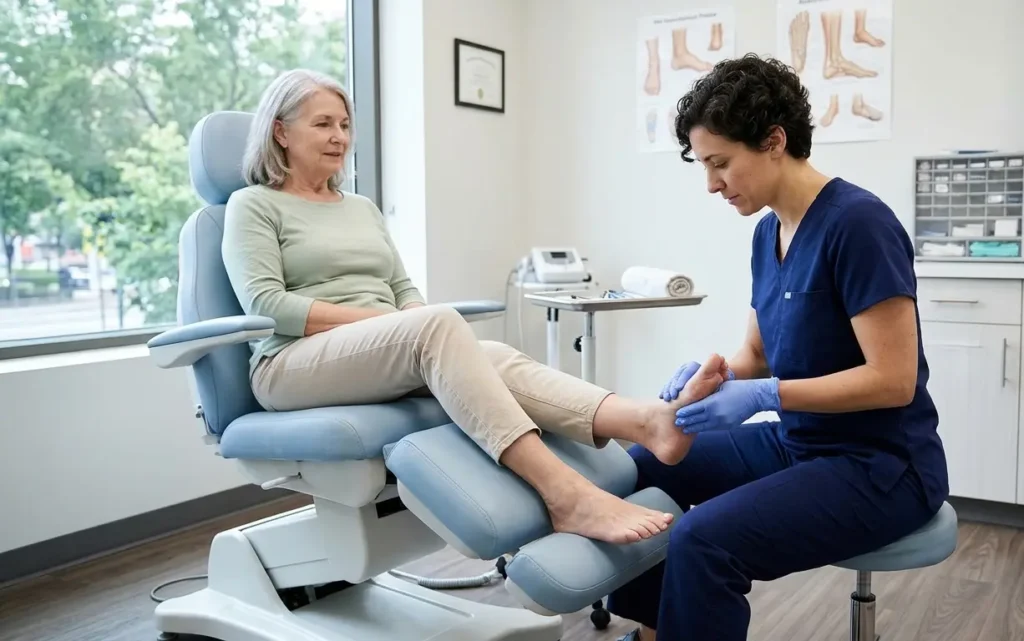
Thickened toenail treatment for older adults showing a podiatrist gently examining an elderly person's thickened toenail.
Uncategorized

Thickened Toenail Treatment for Older Adults: What Are Your Options?

Thickened Toenail Treatment for Older Adults: What Are Your Options? Thickened toenails are a common concern among older adults. As people age, their toenails may become thicker, harder, discoloured and more difficult to trim. While these changes can sometimes be associated with aging, they may also be caused by fungal infections, repeated pressure from footwear, previous injuries or underlying health conditions. Thickened toenails can make walking uncomfortable, cause difficulty when wearing shoes and increase the risk of further foot problems.  In this blog, Walksmart Foot Care explains what causes toenails to become thickened, the different treatment options available and how older adults can manage this condition effectively. Understanding these causes and treatments can provide helpful information and insights for those experiencing thickened toenails and help them make informed decisions about their foot care. Why Do Toenails Become Thickened in Older Adults? Toenails can change in appearance and texture as people get older. They may grow more slowly, become brittle, develop ridges or gradually increase in thickness. Several factors can contribute to these changes.  Common causes include: Ageing: Nail growth naturally slows with age, which can contribute to changes in nail thickness, texture and appearance.  Fungal infections: Toenail fungus, also known as onychomycosis, can cause nails to become thick, yellowish, brittle and difficult to trim.  Poor circulation: Reduced blood circulation in the feet may affect nail growth and overall foot health.  Repeated pressure or injury: Tight footwear, repeated pressure or previous nail injuries can contribute to toenail thickening over time.  Underlying health conditions: Certain medical conditions, including diabetes and circulation problems, can affect foot and nail health. Reduced footcare routine: Difficulty bending down or reaching the feet can make regular nail care challenging for older adults, allowing thickened nails to become harder to manage. Understanding the underlying cause is essential because the appropriate treatment will depend on why the toenail has become thickened. What Are the Best Thickened Toenail Treatment Options? The most suitable thickened toenail treatment depends on the severity of the condition and its underlying cause. Some older adults may only require regular nail maintenance, while others may need professional footcare or medical treatment.  Here are some effective options to consider. 1. Professional Toenail Trimming and Reduction Professional toenail trimming is one of the most practical ways to manage thickened toenails in older adults. As toenails become thicker, they can be difficult to cut using ordinary nail clippers. Attempting to trim them at home may result in uneven edges, accidental cuts or damage to the surrounding skin.  A trained footcare professional can carefully reduce the thickness and length of the nail using appropriate equipment. This helps: Make toenails easier to manage. Reduce pressure inside footwear. Improve walking comfort. Prevent nails from becoming excessively long. Reduce the risk of accidental cuts during home nail care. Regular professional nail maintenance can be particularly helpful for older adults who struggle with mobility or have difficulty reaching their feet. 2. Antifungal Treatment for Toenail Infections If a fungal infection is responsible for thickened toenails, antifungal treatment may be necessary. Toenail fungal infections commonly cause nails to become discoloured, thick, brittle, and distorted. The infection can gradually spread to other nails if left untreated. Treatment options may include: Antifungal nail treatments: Medicated nail solutions or lacquers may help treat certain mild or moderate infections. Oral antifungal medication: A healthcare professional may prescribe tablets for suitable patients, depending on the severity of the infection and their medical history. Professional nail reduction: Reducing the thickness of an affected nail can make it easier to manage and may support other treatments. Older adults should seek medical advice before starting antifungal medication, particularly if they take other prescription medicines or have existing health conditions. It is also important to remember that fungal nail infections can take several months to improve because toenails grow slowly. 3. Regular Foot Care and Moisturising Maintaining a consistent footcare routine can help support healthy skin and nails. Older adults should make footcare a regular part of their daily routine. Helpful practices include: Washing feet regularly with mild soap and lukewarm water. Drying the feet thoroughly, especially between the toes. Applying moisturiser to dry skin around the feet. Keeping toenails clean and at a manageable length. Checking toenails regularly for changes in colour, thickness, or shape. Avoiding picking at or damaging thickened nails. Moisturising helps prevent dry, cracked skin around the feet. However, moisturiser should not generally be applied between the toes, as excess moisture in these areas can encourage fungal growth. 4. Choosing the Right Footwear Footwear plays an important role in maintaining toenail health, particularly for older adults. Shoes that are too tight can place repeated pressure on the toenails, potentially contributing to thickening, discomfort, and nail damage. When choosing footwear, older adults should look for: Shoes with a wide and comfortable toe box. Adequate space for the toes to move naturally. Soft, breathable materials. Proper cushioning and support. Comfortable footwear that does not rub against the toenails. Well-fitting shoes can reduce unnecessary pressure on the toes and make everyday walking more comfortable. 5. Professional Footcare Support For older adults who struggle to manage their toenails independently, professional footcare support can make a significant difference. A trained footcare professional can assess the condition of the toenails, provide safe nail trimming, reduce excessive nail thickness, and identify signs that may require further medical attention. At Walksmart Footcare, professional footcare support focuses on helping individuals maintain comfortable, well-maintained feet through appropriate nail care and attention to common foot concerns. Regular appointments can be particularly beneficial for older adults with limited flexibility, reduced mobility, or difficulty managing thickened toenails at home. When Should Older Adults Seek Professional Help? Although thickened toenails are common with aging, certain symptoms should not be ignored. Seeking professional advice early can help prevent minor nail problems from becoming more serious. Older adults should consider professional assessment if they experience: Toenails that become increasingly thick or difficult to trim. Yellow, brown, white, or unusual nail discolouration. Pain or discomfort when

when-should-one-seek-professional-treatment-for-hard-skin-removal-for-feet
Uncategorized

When Should One Seek Professional Treatment for Hard Skin For Feet

When Should You Seek Professional Treatment For Hard Skin Removal for Feet Our feet carry us through countless daily activities, yet they often receive far less attention than other parts of our body. A common issue many people face is the development of hard skin, particularly around the heels, soles, and sides of the toes. While it may initially seem like a minor cosmetic issue, excessive hard skin can cause discomfort, pain, and deep cracking if left untreated. In this blog, Walksmart Footcare explains hard skin on the feet, its causes and when professional treatment may be the right choice for maintaining healthy and comfortable feet. Understanding when to seek professional hard skin removal can help you maintain healthy, comfortable feet. What Causes Hard Skin on Feet? Hard skin, medically known as a callus, develops when the outer layer of skin thickens in response to repeated pressure, friction, or shearing forces. It is your body’s natural defence mechanism designed to protect sensitive, deeper tissue from damage. Common causes include: Ill-fitting footwear: Shoes that are too tight, loose, or narrow create continuous friction points. Prolonged standing: Spending long hours on your feet increases pressure on the heels and balls of the feet. Walking barefoot: Regularly walking without shoes or supportive socks increases friction against hard surfaces. Foot structure & mechanics: Deformities like bunions or unusual gait patterns distribute weight unevenly across the foot. Dry skin (Anhidrosis): A lack of moisture makes skin brittle, rough, and far more prone to cracking. When Should You Consider Professional Hard Skin Removal for Feet? Mild hard skin can often be managed with regular moisturising and gentle exfoliation. However, specific symptoms indicate that professional podiatric care is necessary. 1. When Hard Skin Becomes Painful.  Hard skin should not make walking uncomfortable. If thickened areas cause pain when standing, walking, or wearing shoes, professional treatment is needed. A qualified foot care specialist can safely assess and remove excess skin without damaging healthy tissue. 2. When Cracks Develop on Your Heels.  Extremely dry, thick skin can split under body weight, creating painful cracks known as heel fissures. Deep fissures can bleed or become infected. Professional attention is crucial if cracks are deep, painful, or showing signs of infection. 3. When Home Treatments Are Not Working If regular creams and gentle filing make no difference, the buildup is likely too thick for home care. Repeatedly scrubbing thick skin at home can cause friction burns or damage healthy underlying skin. 4. When Hard Skin Keeps Returning  Recurring calluses indicate an underlying mechanical issue or pressure point. Simply removing surface skin will not solve the root cause. A foot care specialist can evaluate your gait and footwear to recommend long-term preventive solutions. 5. When You Notice Signs of Infection or Inflammation Redness, swelling, unusual warmth, bleeding, discharge, or throbbing pain should never be ignored and require prompt professional evaluation. Why Is Professional Footcare Important? Attempting to cut, slice, or scrape thick skin at home using razor blades, scissors, or sharp instruments carries a severe risk of injury and infection. A trained footcare professional can safely remove hardened skin using sterile, specialised tools while identifying the underlying biomechanical causes. Important Risk Advisory: Professional treatment is vital for individuals with diabetes, poor circulation, or reduced sensation (neuropathy) in their feet. These individuals should strictly avoid self-treatment and seek professional healthcare advice. How Can You Prevent Hard Skin from Returning? Maintaining a consistent, proactive footcare routine can help keep your skin soft and reduce callus recurrence. Choose Comfortable, Supportive Footwear:  Wear properly fitted shoes that offer adequate depth, cushioning, and space for your toes. Avoid footwear that creates repeated rubbing. Moisturise with Urea-Based Foot Creams: Apply a specialised foot cream containing 10% to 25% urea daily to break down hardened keratin. Apply to heels and soles, but avoid applying cream between the toes to prevent moisture buildup and fungal infections. Exfoliate Safely and Gently: Use a safe tool, such as a pumice stone or fine foot file, on damp skin once or twice a week. Never use sharp metal graters or blades. Schedule Regular Professional Foot Assessments. Routine visits to a foot care specialist help identify emerging pressure points before they turn into painful issues. Why Choose Walksmart Footcare? At WalkSmart Footcare, we believe healthy feet are essential for maintaining comfort, mobility, and independence. We provide professional, reliable, and patient-centred foot care services across Northampton and the surrounding areas of Northamptonshire, with convenient mobile appointments in the comfort of your own home. Our fully qualified, insured, and DBS-checked practitioner offers personalised care tailored to your individual foot health needs. From hard skin and callus removal to corn treatment, nail care, and diabetic foot assessments, we focus on keeping your feet healthy and comfortable. Whether you’re experiencing painful hard skin or struggling with routine foot care, we are here to help with gentle treatments and professional advice. Conclusion Hard skin may seem like a minor concern, but ignoring excessive buildup can lead to discomfort, painful cracks, and difficulty walking. Knowing when to seek professional treatment makes a significant difference to your foot health. Hard skin removal for feet should be approached carefully, especially when the skin becomes painful or repeatedly returns. Walksmart Footcare encourages regular foot care, suitable footwear, and professional guidance to help keep your feet healthy, comfortable, and protected. With the right care and attention, you can take confident steps towards healthier feet and greater everyday comfort.

A caregiver gently moisturizing an elderly woman's foot at home while she relaxes on a sofa, illustrating elderly foot care at home essential tips.
Uncategorized

Elderly Foot Care at Home: Essential Tips for Healthy and Happy Feet

Elderly Foot Care at Home: Essential Tips for Healthy and Happy Feet As we age, our feet require extra care and attention to remain healthy, comfortable, and active. Ageing can bring changes such as dry skin, thickened toenails, reduced circulation, and changes in skin sensitivity, making everyday foot care more important than ever. Practising foot care at home can help older adults maintain their mobility, prevent common foot problems, and enjoy a better quality of life.  In this blog, Walksmart Footcare, a provider of elderly foot care at home in Northampton, explores essential tips to help seniors and their caregivers maintain healthy feet. By understanding these simple daily practices, you can make informed choices for yourself and your loved ones, promoting better foot health, mobility, comfort, and safety. Why Is Foot Care Important for Older Adults? Foot care plays a vital role in maintaining the health, mobility, and independence of older adults. As people grow older, changes in the skin, nails, circulation, and foot structure can increase the risk of discomfort and injury. Neglecting foot health may lead to problems such as cracked heels, fungal infections, ingrown toenails, corns, and calluses. For seniors living with diabetes or poor circulation, even a small cut or blister can develop into a more serious complication if left untreated. Healthy feet also contribute to better balance and stability. Foot pain can make walking difficult, increase the risk of falls, and discourage older adults from participating in daily activities. Establishing a regular foot care routine at home helps identify potential problems early, supports comfortable walking, and allows seniors to remain active and independent for longer. Essential Tips for Elderly Foot Care at Home Maintaining healthy feet does not have to be complicated. Simple daily practices can make a significant difference in preventing common foot problems and keeping older adults comfortable. 1. Wash Feet Daily Clean feet every day using lukewarm water and a mild soap. Pay special attention to the areas between the toes, where moisture and dirt can accumulate. Avoid using very hot water, as older adults may have reduced sensitivity to heat and may not notice burns promptly.  After washing, dry the feet thoroughly, especially between the toes, to help prevent fungal infections. 2. Moisturise Dry Skin Dry skin is common among older adults and can lead to itching, cracking, and discomfort. Apply a suitable moisturiser to the tops, soles, and heels of the feet to keep the skin hydrated and help prevent cracking.  Avoid applying moisturiser between the toes, as excess moisture in these areas can encourage fungal growth. If the skin is severely cracked or shows signs of infection, consult a healthcare professional.  3. Trim Toenails Safely Toenails can become thicker and harder to trim with age. Cut nails straight across and gently smooth any sharp edges with a nail file. Avoid cutting nails too short or digging into the corners, as this can cause ingrown toenails and infections. Seniors who have diabetes, poor circulation, reduced vision, or difficulty reaching their feet should seek assistance from a qualified foot care professional rather than attempting difficult nail trimming themselves.  4. Choose Comfortable Footwear Proper footwear is essential for preventing foot pain and maintaining balance. Older adults should choose shoes that fit well, provide adequate cushioning, and offer good support around the heel and arch. Avoid tight shoes, high heels, and loose slippers that may increase the risk of slipping or tripping. Shoes should have enough room for the toes, low heels, secure fastenings, and non-slip soles for better stability.  Wearing clean, well-fitting socks can also help protect the feet from friction and irritation. 5. Inspect Feet Regularly Checking the feet daily is an important part of elderly foot care at home. Look for redness, swelling, cuts, blisters, unusual discolouration, cracked skin, or changes in the toenails. Use a mirror to examine the soles if bending is difficult, or ask a family member or caregiver for assistance. Early identification of foot problems allows seniors to seek timely treatment before minor concerns become more serious. This is especially important for people with diabetes or reduced sensation in their feet. 6. Encourage Gentle Movement Gentle physical activity can support circulation, flexibility, and balance in older adults. Simple ankle rotations, toe movements, and short walks, where safe and appropriate, can help maintain mobility. Seniors should choose activities according to their abilities and medical conditions. Anyone experiencing significant foot pain or difficulty walking Common Foot Problems in the Elderly Older adults may experience several foot conditions due to natural ageing, changes in foot structure, underlying health problems, or unsuitable footwear. Recognising these issues early can help prevent complications. Some common foot problems include: Dry skin and cracked heels: Reduced skin moisture can cause roughness and painful cracks, particularly around the heels. Thickened or brittle toenails: Toenails may become harder to trim and may be affected by fungal infections. Corns and calluses: Repeated pressure or friction from footwear can cause areas of thickened skin. Bunions and toe deformities: Changes in foot structure can lead to discomfort, swelling, and difficulty finding suitable shoes. Fungal infections: Fungal growth may affect the skin between the toes or the toenails, causing itching, scaling, discolouration, or thickening. Swollen feet and ankles: Swelling may occur due to several causes, including circulation problems, medications, or underlying medical conditions. Foot pain and reduced sensation: Arthritis, nerve damage, and other conditions can make walking uncomfortable or reduce the ability to notice injuries. Although some problems can be managed with routine care, persistent pain, open wounds, signs of infection, or unexplained swelling require professional assessment. Seniors with diabetes should pay particular attention to any new changes in their feet. When Should Seniors Seek Professional Foot Care? While daily foot care at home helps maintain healthy feet, certain conditions require professional attention. Knowing when to seek help can prevent complications and protect long-term mobility. Older adults should consult a qualified healthcare professional or foot care specialist if they experience: Persistent foot pain that interferes with walking or daily

hardskin removal for feet-walksmart footcare
Uncategorized

What Causes Thick Toenails, and How Can You Treat Them?

What Causes Thick Toenails and How Can You Treat Them? Thick toenails can make walking, wearing shoes, and trimming nails uncomfortable. They may become hard, discolored, brittle, or uneven due to fungal infections, aging, repeated injuries, or underlying health conditions. Understanding the cause is essential to choosing the right thickened toenail treatment and maintaining healthy feet. As a professional mobile foot care provider in Northamptonshire, WalkSmart Foot Care offers expert guidance on maintaining healthy feet. In this guide, WalkSmart explores the common causes of thick toenails, effective treatment options, and practical prevention tips to help you care for your feet. What Are Thick Toenails? Thick toenails occur when the nail plate becomes unusually hard, bulky, or difficult to trim. The affected nail may also appear yellow, brown, or white, with rough edges or an irregular shape. Although thickening can occur naturally with age, it may also indicate a fungal infection or another nail condition. Identifying the underlying cause helps determine the most appropriate treatment. Common Causes of Thick Toenails Several factors can contribute to thickened toenails. Recognizing these causes can help you decide when home care is appropriate and when to seek professional advice. 1. Fungal Infection (Onychomycosis) Fungal infections are a common cause of thick toenails. They can make nails yellow, brittle, crumbly, and difficult to trim. Treatment may involve prescription antifungal medication, depending on the severity of the infection.  2. Repeated Trauma Repeated pressure from tight shoes, running, or sports can damage toenails and cause them to thicken. Wearing comfortable, properly fitted footwear can help prevent further damage. 3. Aging Toenails may become thicker and harder as people age. Slower nail growth and changes in nail structure can make trimming more difficult. Regular nail care helps manage these changes.  4. Psoriasis Psoriasis can affect the nails, causing thickening, discoloration, ridges, and separation from the nail bed. A healthcare professional can recommend appropriate treatment. 5. Underlying Health Conditions Certain medical conditions can affect nail growth and foot health. People with diabetes or poor circulation should pay particular attention to nail changes and seek professional care when necessary. 6. Ingrown or Curved Nails Curved or thickened nails may press against surrounding skin, causing pain, redness, or swelling. Trimming nails straight across and wearing roomy shoes can help reduce the risk. Symptoms to Watch For Common symptoms include nail discoloration, increased thickness, brittle edges, unusual nail shape, discomfort while wearing shoes, and difficulty trimming. Persistent or unexplained changes should be assessed by a healthcare professional. How Can You Treat Thick Toenails? The best treatment depends on the cause. Home care may improve comfort, while fungal infections and other conditions may require medical treatment. Home Care Soak your feet: Soak them in warm water for 5–10 minutes to soften the nails before trimming. Trim carefully: Use clean nail clippers and cut straight across. Avoid cutting too short. Wear suitable footwear: Choose shoes with enough space around your toes to reduce pressure. Keep feet dry: Wash your feet regularly, dry them thoroughly, and change damp socks. If your nails are extremely thick, avoid forcing clippers through them or cutting them deeply. Over-the-Counter Options Some products may help soften thick nails. Urea-based nail products can make trimming easier, while antifungal products may help treat fungal infections affecting the surrounding skin. However, many over-the-counter creams do not penetrate the nail sufficiently to cure toenail fungus. Consult a healthcare professional if the nail remains thick or discolored. Medical Treatments Professional treatment may include: Prescription antifungals: Oral or topical medication may be recommended for confirmed fungal infections. Professional nail thinning: A trained foot-care professional can reduce nail thickness and improve comfort. Treatment for underlying conditions: Nail psoriasis and other medical causes may require specific medication. Nail removal: In severe cases, partial or complete removal may be considered by a healthcare professional. Toenails grow slowly, so visible improvement can take several months. Prevention Tips: When to See a Doctor Prevent thick toenails by wearing well-fitting shoes, keeping your feet clean and dry, avoiding shared nail tools, and trimming nails carefully. Consult a doctor if thickening persists, the nail becomes painful, or its color and shape change unexpectedly. Seek prompt medical care for redness, swelling, pus, or increasing pain. People with diabetes or poor circulation should seek professional advice before attempting to manage severely thickened nails themselves. Conclusion Thick toenails can result from fungal infections, repeated trauma, aging, psoriasis, and other health conditions. Good foot hygiene and proper nail care can help, but persistent changes may require professional assessment. Choosing the right treatment for thick toenails starts with identifying the cause. With appropriate care, you can improve comfort, protect your nails, and support long-term foot health. WalkSmart Foot Care encourages readers to prioritize regular foot care and consult qualified healthcare professionals when nail problems persist.

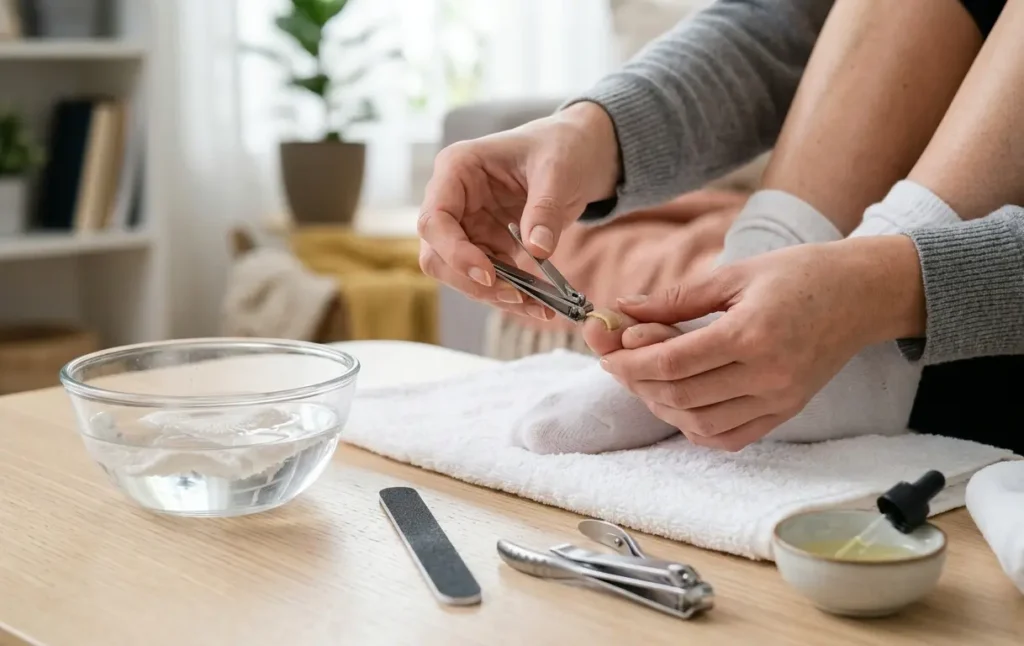
How to thin thick toenails using a warm water soak and gentle nail care tools.
Uncategorized

How to Thin Thick Toenails Safely at Home

How to Thin Thick Toenails Safely at Home Thick toenails are a common problem. They can make walking uncomfortable, snag on socks, and make shoes feel tight. Age, repeated pressure from footwear, injury, fungal infections, and conditions like psoriasis can all cause nails to thicken. The good news is that a simple, consistent thickened toenail treatment routine at home can reduce thickness and make your nails far easier to manage. Here is how to do it safely How to Soften Thick Toenails Hard, thick nails are difficult to trim and easy to crack. Softening them first makes every other step safer and more effective. Soak Your Feet in Warm Water Fill a basin with comfortably warm water and soak your feet for 10 to 15 minutes. Adding Epsom salt or a splash of mild soap can help. The water draws moisture into the nail plate, making it more pliable. Pat your feet dry gently, paying attention to the spaces between your toes, since lingering moisture can encourage fungal growth. Use a Urea-Based Cream Urea is a keratolytic ingredient, meaning it helps break down hardened keratin, the protein that makes up your nails. Creams with 20% to 40% urea are widely used for this purpose. Apply the cream directly to the nail plate once or twice daily—especially after soaking, when the nail absorbs moisture best. Over several weeks, regular use can noticeably soften the nail and reduce its bulk. Be careful to focus the application on the nail itself, as high concentrations of urea can irritate the surrounding soft skin. How to Cut Thick Toenails Safely Trimming thick nails takes patience and the right approach. Rushing can lead to splitting, ingrown nails, or injury. Use the Right Nail Clippers Standard fingernail clippers often struggle with thick nails. Choose a heavy-duty toenail clipper with a wide jaw and a strong, sharp blade. Podiatrist-style clippers give you better leverage and cleaner cuts. Keep your tools clean and sharp, and disinfect them with rubbing alcohol after each use. Trim Straight Across Cut straight across rather than curving the edges. Rounded corners increase the risk of ingrown toenails. Take small, steady bites instead of one big cut, and leave a small white edge so you don’t cut too close to the skin. A gentle pass with an emery board or file afterwards smooths rough edges. Tips for Safe Thick Toenail Trimming Before You Trim Trim after a bath or soak, when nails are softest. Work in good lighting so you can clearly see what you are cutting.  While You Trim Make small, gradual cuts. Forcing the clipper through the nail can cause it to crack or split. File the surface of the nail gently with an emery board to reduce thickness, moving in one direction rather than sawing back and forth. Never dig under the nail or at the corners, as this can break the skin and cause an infection. After You Trim Keep nails dry and clean, change socks daily, and choose breathable footwear. If you have diabetes, nerve damage, or poor circulation, seek professional podiatric care instead of home trimming, as even minor cuts can heal slowly and lead to severe complications. When to Seek Professional Help Home care works well for mild to moderate thickening, but some signs call for a podiatrist or doctor: Nails that are yellow, brown, or crumbly, which may point to a fungal infection Pain, redness, swelling, or pus around the nail Nails that keep thickening despite weeks of consistent home care Nails that are too thick, hard, or painful to trim safely yourself Diabetes, nerve damage, or poor circulation A nail that is separating from the nail bed or has changed shape suddenly A professional can carefully thin the nail using specialised rotary equipment, test for underlying fungal infections, and prescribe targeted treatments if needed. Conclusion Thick toenails do not have to be a daily annoyance. Start by learning how to soften thick toenails with regular warm soaks and a targeted urea-based cream, then trim carefully with sturdy clippers, cutting straight across in small, controlled snips. Stay consistent, keep your feet clean and dry, and do not hesitate to see a professional if you notice signs of infection or if the problem does not improve. With patience and proper care, you can keep your toenails thinner, healthier, and far more comfortable.

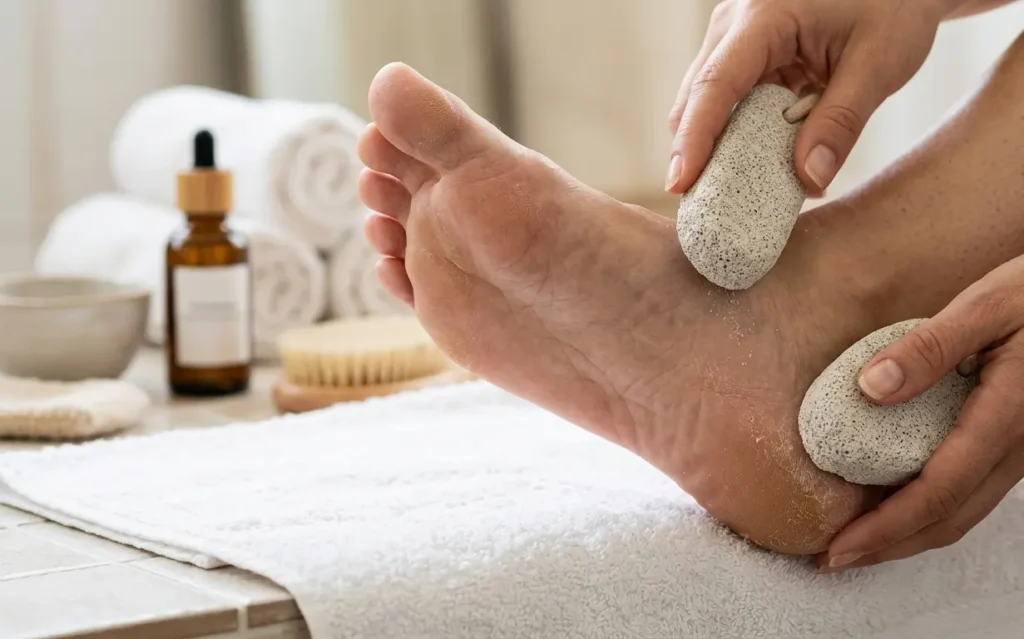
How to Remove Hard Skin from Feet with gentle foot care and exfoliation
Uncategorized

How to Remove Hard Skin from Feet: Causes& Remedies

How to Remove Hard Skin from Feet: Causes & Remedies Hard, rough skin on the feet is a common concern, especially around the heels, soles, and sides of the toes. Although it is usually harmless, thickened skin can become dry, cracked, uncomfortable, and even painful over time. With a consistent foot-care routine, however, you can help soften rough areas and keep your feet feeling smoother. In this guide from WalkSmart, we’ll explore how to remove hard skin from feet, the common causes behind rough and thickened skin, and practical ways to prevent it from coming back. If you’re searching for solutions for hard skin removal for feet, adopting a few simple daily foot-care habits can help make a noticeable difference. What Causes Hard Skin on Feet? Hard skin, also called a callus or thickened skin, usually develops when the feet experience repeated pressure, friction, or irritation. The skin naturally becomes thicker as a protective response. Common causes include: Ill-fitting footwear: Shoes that are too tight, loose, or poorly cushioned can create friction and pressure. Long periods of standing or walking: Spending a lot of time on your feet can increase pressure on the heels and soles. Dry skin: Lack of moisture can make the skin rough, flaky, and more likely to crack. Walking barefoot: Hard surfaces can put additional pressure on the soles. Foot structure: Certain foot shapes can cause pressure to be concentrated in particular areas. High-impact activities: Running, sports, and other activities can increase friction and pressure. Identifying the cause is important because removing hard skin without addressing the underlying problem may allow it to return. Home Remedies to Remove Hard Skin There are several simple ways to soften and manage hard skin at home. The key is to be gentle and consistent rather than trying to remove thickened skin quickly. Soak Your Feet Soak your feet in warm water for around 10–15 minutes. This helps soften hard, dry skin and makes gentle exfoliation easier. After soaking, pat your feet dry thoroughly, especially between the toes. Avoid very hot water because it can remove the skin’s natural oils and increase dryness. Use a Pumice Stone After soaking, gently rub a pumice stone over areas of hardened skin using small, circular motions. Avoid applying excessive pressure or trying to remove all the hard skin at once. Over-exfoliating can irritate the skin and potentially cause small injuries. Always use a clean pumice stone and allow it to dry properly after use. Moisturise Regularly Regular moisturising is essential for keeping the skin on your feet soft. Apply a rich foot cream after bathing or soaking your feet. Products containing ingredients such as urea, lactic acid, or salicylic acid may help soften thickened skin. For very dry heels, apply moisturizer before bed and wear comfortable cotton socks overnight. Keep Your Feet Hydrated Keeping your body adequately hydrated supports overall skin health, although drinking water alone will not remove existing hard skin. Combine adequate fluid intake with daily moisturizing and gentle exfoliation to help maintain softer, healthier feet Foot Care Tips to Prevent Hard Skin Once you have reduced hard skin, following a regular foot-care routine can help prevent it from returning. Wear well-fitting shoes: Choose footwear with enough room for your toes and good cushioning. Choose comfortable socks: Socks can help reduce friction between your feet and shoes. Moisturize daily: Pay particular attention to the heels and soles. Exfoliate gently: Avoid aggressive scrubbing or excessive filing. Keep your feet clean and dry: Wash your feet regularly and dry them carefully. Use cushions or insoles: These can help reduce pressure on areas that frequently develop calluses. Check your feet regularly: Look for cracks, redness, blisters, swelling, or other changes. Avoid cutting hard skin yourself: Do not use razors, scissors, or sharp tools to remove calluses. If hard skin repeatedly develops in the same area, consider whether your footwear or walking pattern may be contributing to the problem. When Should You See a Doctor? Most mild cases of hard skin can be managed with appropriate foot care. However, you should seek professional medical advice if the area becomes painful, severely cracked, swollen, red, or shows signs of infection. Professional advice is particularly important if: The skin bleeds or develops an open wound. You notice pus, swelling, warmth, or increasing redness. Walking becomes painful or difficult. Home treatment does not improve the problem. Hard skin continues to return despite preventive care. You have diabetes, poor circulation, or reduced sensation in your feet. People with diabetes or reduced sensation should avoid attempting aggressive self-treatment and should seek advice from an appropriate healthcare professional. Conclusion Hard skin on the feet is commonly caused by repeated pressure, friction, and dryness. Fortunately, a consistent foot-care routine can help manage the problem. Soaking your feet, gently using a pumice stone, moisturising regularly, and wearing comfortable, well-fitting footwear can all help reduce rough and hardened skin. If you have persistent or painful hard skin, professional treatment may provide a safer and more effective solution. If you are searching for hard skin removal for feet in Northampton, consider consulting a Walksmark foot care professional who can assess your feet, identify the cause, and recommend an appropriate treatment